
Last updated:
12. June 2026
Written by Max Schubert
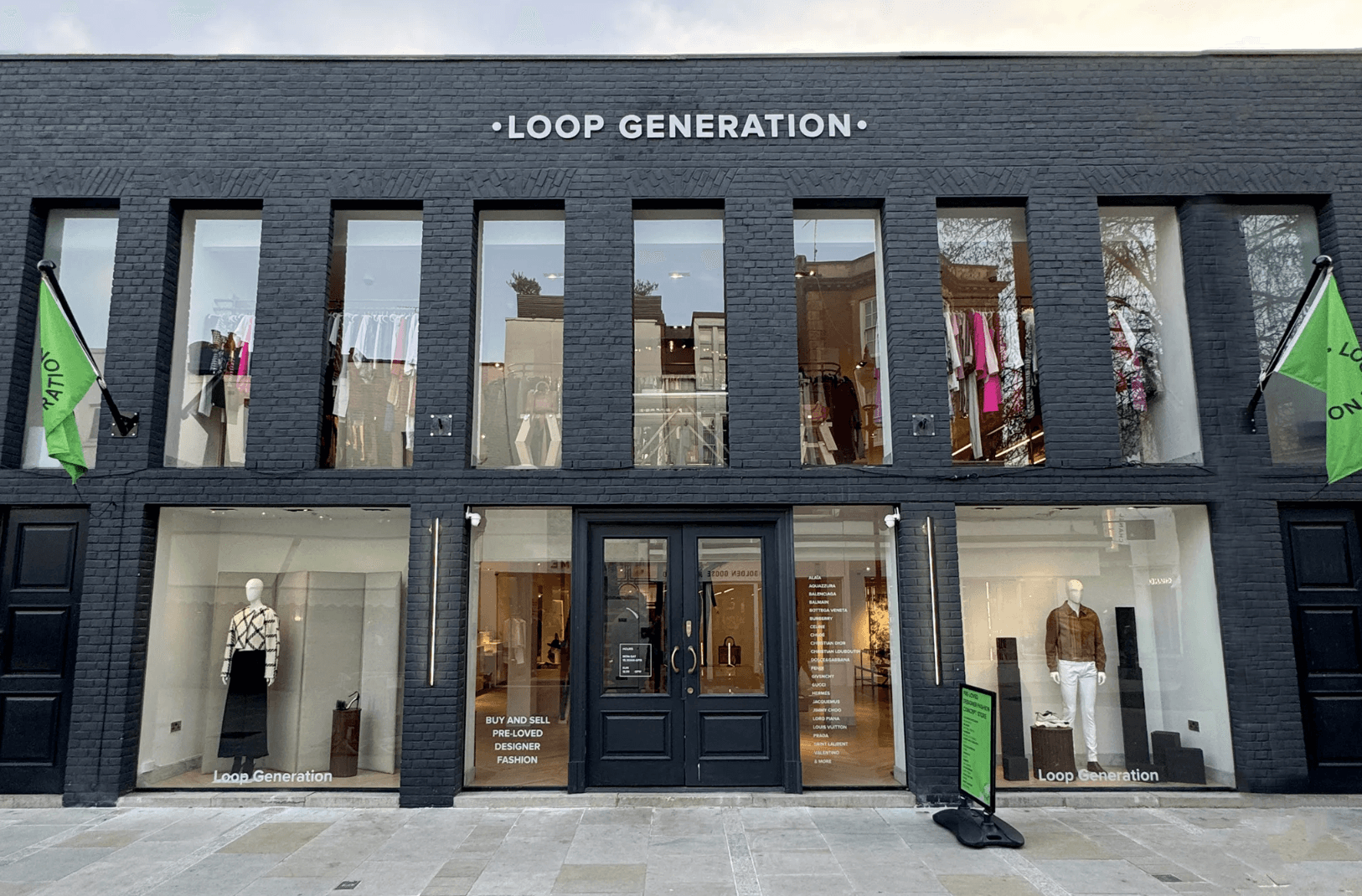
The luxury resale market is growing from $41.6 billion in 2026 towards $60 billion by 2030 - growing faster than the primary luxury market itself. In this guide we look into best practices from designer & luxury consignment stores that have done it such as:
Loop Generation in London
Lou's Lot in Dublin
CoutureUSA in Florida
Revivre in Sydney
So Over It in Canada
Vangelis in Stockholm
All of them built successful businesses on the same foundation: a tight niche, a frictionless consignor experience, serious authentication and consignment software that automates workflows: From intake, pricing and authentication fees to payouts.

(Source: Lou - the owner of Lou’s Lot in Dublin)
1. Why 2026 is the best time to open a luxury consignment store
Trust is the product and marketplaces can't deliver it. Peer-to-peer platforms are flooded with fakes. Entrupy alone scanned designer items worth around $1.9 billion in resale value in 2024. A professional store that authenticates every item, photographs it honestly and stands behind it has a structural advantage no app can copy. That is your USP.
Pre-loved luxury is now seen as an investment. Hermès, Chanel and vintage Rolex often hold or gain value. Buyers increasingly think in terms of "buy well, wear it, resell it" - which means your buyers become your future consignors. Quality pre-owned pieces are frequently better made than new mid-market fashion and people can sell them again at strong prices.
Sustainability has gone mainstream. Roughly a third of Gen Z wardrobes are already secondhand. Customers want circular fashion, but they want it curated, authenticated and beautifully presented.
2. The consignor relationship is your engine as designer consignment store
Your consignors are typically high-income individuals with wardrobes worth six figures and often it's a friend, assistant or family member who organizes the selling for them. Treat every consignor like a private client, because that is what they are.
What the best stores do:
Make it personal. Loop Generation offers a VIP consignment service with total anonymity: drop your items and the store handles listing, photography, buyer enquiries and shipping. For wealthy consignors, discretion and zero effort beat an extra 5% commission every time.
Build a community of buyers and sellers. The person consigning last season's handbag is shopping for this season's. Lean into that rotation "new bag in, old bag out" with events, previews and personal recommendations.
Reward your top consignors. If you run Shopify with a consignment platform like Circle-Hand, you can give your top 10 consignors by revenue early access to high-demand drops before they go public. Status and special treatment keep your best closets coming back.
Have a dedicated "Sell With Us" page. List the brands you accept, your commission structure and your process. Vangelis in Stockholm does this well for curated menswear (tailoring, heritage brands), Lou's Lot for vintage designer bags and accessories, Loop Generation for women's and men's designer fashion. Each store has an obvious, passionate niche.
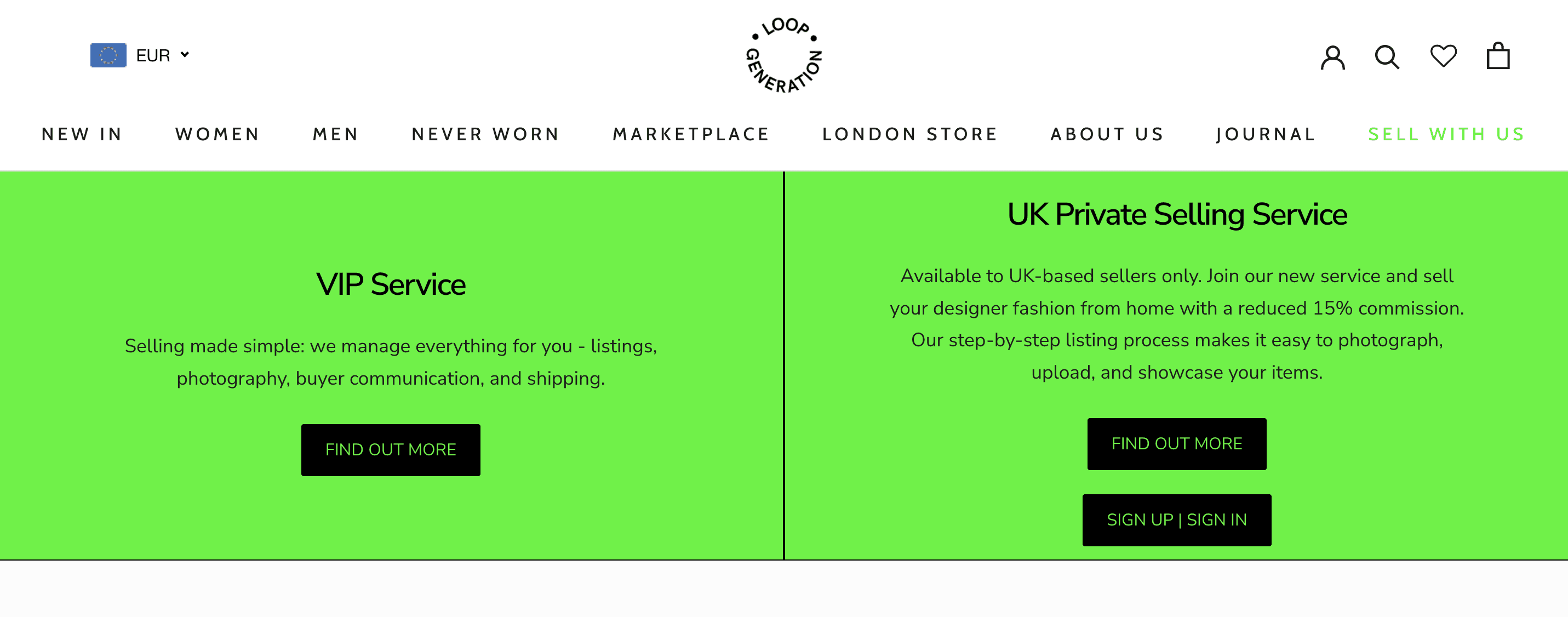
(Source: Loop Generation 'Sell With Us' built on Shopify and Circle-Hand)
3. Build a consignment workflow for designer items from intake to payout
A sloppy process loses consignors faster than a bad commission split. Here is the workflow that established stores converge on:
1. Onboarding. Let consignors create a profile through your website and consignor portal: name, email, payment details, optional a copy of ID (deters people trying to offload fakes). Have them accept your terms and conditions digitally.
2. Make the intake as easy as humanly possible. Multiple channels add complexity for you, but they massively lower the barrier for consignors. Let people walk into your location, send photos via WhatsApp or email, or apply through a dedicated consignor portal where they can track status. The rule: a consignor should be able to start selling with one photo in less than a minute.
3. Pricing. Price with data, not gut feeling. Do a price search across eBay sold listings, Vestiaire Collective, The RealReal, plus your own sales history. Tools like Circle-Hand's price finder pull comparable prices and your historical sell-through into one view, so pricing a Gucci Marmont takes seconds instead of half an hour.
4. Offer and acceptance. Send the consignor a formal offer with the proposed price and their share. Let them accept digitally. Only then do they bring or ship the items in.
5. Preparation. Authenticate, clean, steam, photograph. If you sell online: invest in good, honest photos. Avoid anything that looks AI-generated. In this business, real photos of the real item are an authenticity signal and a trust win.
6. Keep the consignor in the loop. Automated sales notifications and a portal where they see item status, price changes, and pending payouts. Transparency is not a nice-to-have; it is the reason they choose you over a marketplace.
7. Payout. When an item sells, pay reliably. Most stores run monthly payouts via bank transfer (far lower fees than PayPal) or offer store credit with a bonus percentage, which keeps money in your ecosystem and feeds the buyer-seller rotation.
8. Ask for the review. After a successful payout, ask for a Google or Trustpilot review. Reviews are your single most valuable marketing asset (see section 5).
The whole journey should feel transparent, professional, and personal. Give people a reason to sell with you.
4. Authentication, fees and commission splits for designer consignment items
Authentication is non-negotiable. This industry has too many black sheep and one fake sold under your name can end your store. Most professional stores use Entrupy (AI-based authentication for handbags and sneakers) combined with in-house brand expertise. Couture USA built its entire positioning around an authenticity guarantee — and that guarantee is why people buy a $4,000 bag from a Tampa store sight unseen.
Charge for it. Many stores add an authentication and preparation surcharge per item - a flat handling fee that covers intake, verification, cleaning, photography and listing. Vangelis, for example, charges a per-item handling fee on top of its commission. Set this surcharge per item directly in your consignment software so it's automatic and transparent, never a surprise on the payout statement.
Use tiered commission splits. A flat 50/50 split punishes consignors with expensive items and starves you on cheap ones. The standard that works:
Item sale price | Consignor share |
|---|---|
Under $500 | 50% |
$500 – $2,000 | 60% |
$2,000 – $5,000 | 70% |
$5,000 – $10,000 | 80% |
Above $10,000 | 85% |
High earners get rewarded for bringing you Birkins and Daytonas; you stay profitable on entry-level pieces where your handling cost is the same. Publish the tiers on your Sell With Us page.
5. Sourcing, sales channels and tech stack as designer consignment store
Sourcing
Consignment is the perfect starting model: high-value inventory with almost no capital risk, and consignors who stay involved. Once you have cash flow and know exactly what sells, add buy-outright offers for proven winners. Your consignment software should support both models side by side. Additional sourcing channels: hunting underpriced gems on Vestiaire Collective, eBay and Vinted; Japanese secondhand wholesale auctions (Star Buyers Auction, Ecoring, Monobank) for bulk authenticated stock; and estate sales or closet buyouts in wealthy neighborhoods.
Sales channels
Online shop + physical location is the strongest combo. An online shop showcases your most special pieces to the world. If you want to avoid shipping and returns, offer click-and-collect - plus every pickup is a chance to sell something else.
Partner with other consignment stores. Items that don't move in your niche or city may fly elsewhere. Build relationships with complementary stores and rotate stale inventory between you instead of discounting it to death.
Marketing that actually works in this niche:
Instagram and TikTok first. Lou's Lot in Dublin built its business on Instagram drops and reels showing new arrivals; Loop Generation runs polished feeds of Chanel and Hermès pieces. Show real items, real prices, the face behind the business. New-arrival posts and "just dropped" videos outperform anything an agency will sell you.
Reviews are your moat. Google Maps, Trustpilot, the more the better. When someone searches "luxury consignment near me" or "sell Chanel bag [city]", reviews decide whether they trust you with a five-figure handbag. Nobody consigns with a store that has 12 reviews when the competitor has 400.
The tech stack of a modern designer consignment store:
Consignment software like Circle-Hand for consignor management, intake, AI based pricing, offers, tiered splits, fees, portal and automated payouts
Shopify (e-commerce comparison for consignment) for the online shop, synced with your consignment system
POS (Suqare, Shopify, PayPal POS) for in-store checkout with an iPad is common
Label printer such as Phomemo for price tags and SKUs
Entrupy for authentication
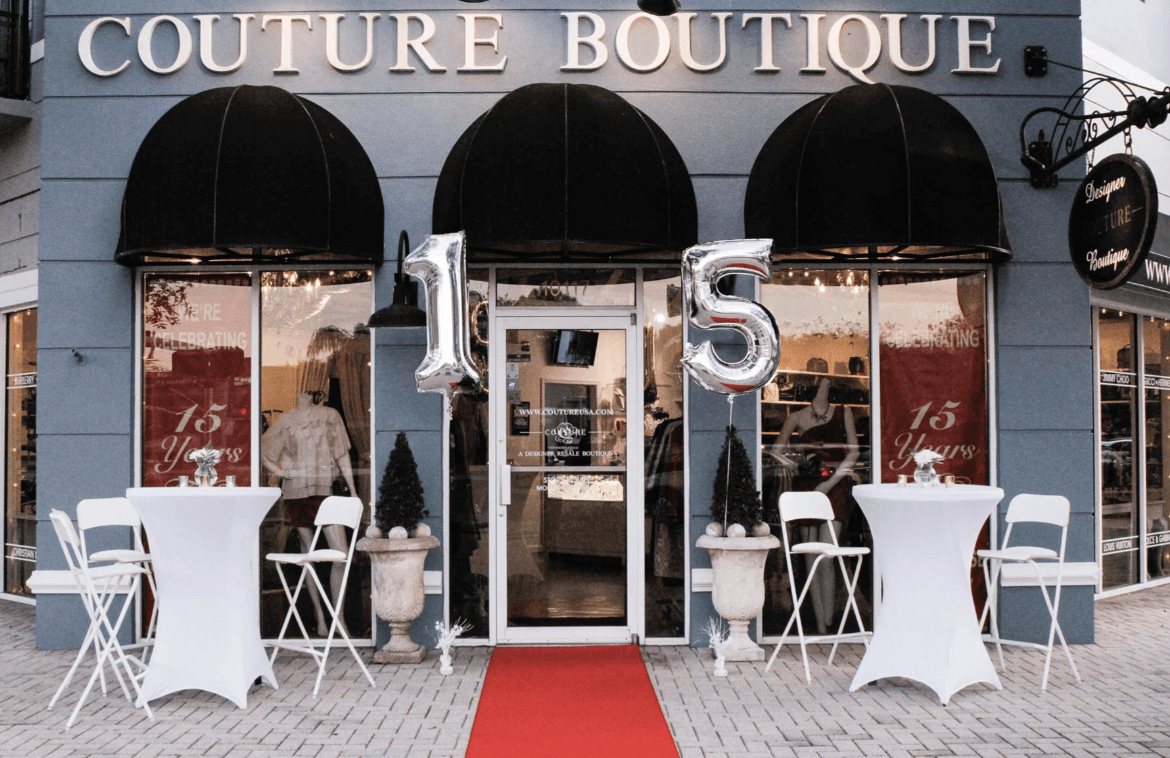
(Source: CoutureUSA based in Florida, Store location)
6. Mistakes to avoid as designer consignment store
Manual payouts. Every spreadsheet error destroys trust with exactly the people you can't afford to lose. Automate from day one.
Not communicating terms. Auto-discount schedules, consignment periods, what happens to unsold items and payout timing must be in writing and visible in the portal. Surprises end relationships.
Overcomplicating the start. You don't need a brand agency, business plan, a strategy deck or a six-month launch plan. Start with pop-ups and Instagram, focus on items you love, your own sources, your own taste.
Accepting too many brands. Curate hard. A focused rail of pieces you genuinely know beats a warehouse of mediocre labels.
Underinvesting in authentication. It's the one cost you never cut.
Make your first 50 consignors genuinely happy and they will market the store for you. In this business, word of mouth among wealthy closets is worth more than any ad budget.
FAQ: Starting a designer consignment store in 2026
What is the best consignment software for a designer or luxury consignment store?
Look for software built for resale, not generic retail: consignor profiles and portals, multi-channel intake, tiered commission splits, per-item authentication fees, automated sales notifications and bulk payouts. Circle-Hand is purpose-built for designer consignment and integrates with Shopify, Square and PayPal POS, including price research based on your own history and platforms like eBay and Vestiaire Collective.
What commission split is standard for luxury consignment?
Most designer consignment stores use price-tiered splits that also depend on your local competition: around 50% to the consignor under $500, 60% from $500–2,000, 70% from $2,000–5,000, 80% above $5,000, and up to 85% above $10,000. Large platforms like The RealReal advertise up to 85% for top-value items. Many stores add a flat per-item handling or authentication fee on top.
How do consignment stores authenticate designer bags?
Most combine trained in-house expertise (stitching, hardware, date codes, materials) with technology. Entrupy is the industry standard - an AI-powered device that microscopically scans handbags and issues a financially backed authenticity certificate. Stores typically charge consignors a per-item authentication and preparation surcharge to cover it. Asking consignors for ID at intake further reduces the number of fakes submitted.
Which brands should a luxury consignment store accept?
Fewer than you think. The reliable value-holders are Hermès, Chanel, Louis Vuitton, Gucci, Prada, Dior, Saint Laurent, Bottega Veneta, Cartier, and Rolex. Beyond that, accept only what fits your niche: Vangelis focuses on heritage menswear tailoring, Lou's Lot on vintage designer bags. Publish your accepted-brands list on your Sell With Us page and decline politely outside it. A tight niche sells faster and builds expertise buyers trust.
How much does it cost to start a luxury consignment store?
Less than a normal boutique, because consignment means you don't buy inventory. Typical startup costs run $2,000–10,000 for an online-first store (software, authentication device, photography, legal) and more with a retail lease. Your main investments are an Entrupy device, consignment software, a POS setup with label printer and iPad and good photography. Cash flow risk stays low since consignors are only paid after items sell.
How do consignment stores pay consignors?
Most designer consignment stores run monthly payouts via bank transfer, which has lower fees than PayPal. Many also offer store credit with a bonus (e.g., +10%), which consignors love because most sellers are also buyers. Whatever you choose, automate it through your consignment software. Manual payout errors are the fastest way to lose a high-value consignor. Show pending payouts transparently in a consignor portal.
Can I run a designer consignment store online only?
Yes — Couture USA and Lou's Lot both do significant online business, and an online shop showcases your best pieces globally. But hybrid wins: a physical location or showroom builds trust for high-ticket items, enables walk-in intake, and supports click-and-collect so you avoid shipping and returns on local orders. Many stores start online with a small showroom by appointment, like Vangelis in Stockholm.
What happens to items that don't sell on consignment?
Define it in your terms before intake: a consignment period (typically 60–90 days), a scheduled markdown (e.g. 10–20% after 30 days), and end-of-period options — return to consignor, donate or transfer to a partner store. Many stores rotate slow inventory to other consignment stores in different cities or niches where it sells better. Whatever your policy, make it visible in the consignor portal; surprises destroy trust.

Btw margeregeling voor tweedehandswinkels uitgelegd - Inclusief online calculator
Support for various content types such as articles, blogs, videos, and more. Rich text editor with formatting options for enhanced.
24 August, 2024

How Loop Generation handles 10,000+ pre-loved designer items with Circle-Hand
Support for various content types such as articles, blogs, videos, and more. Rich text editor with formatting options for enhanced.
18. November, 2025

From Pop-Up to Vendor Marketplace: The Story of All Over The Shop
Support for various content types such as articles, blogs, videos, and more. Rich text editor with formatting options for enhanced.
18. November, 2025