
Last updated:
14. Jan, 2026
Written by Max Schubert
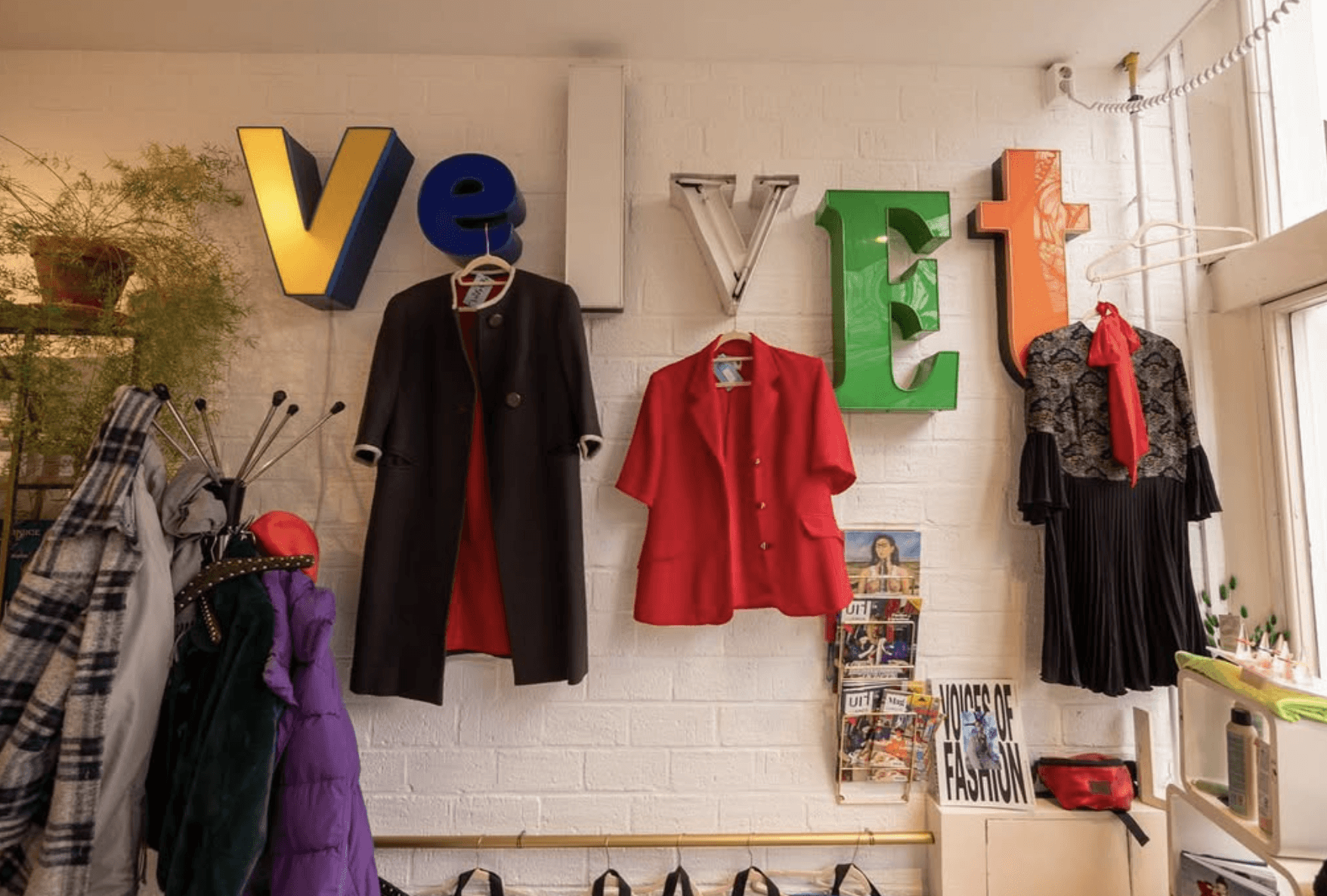
Pre-loved and secondhand is trending. While online secondhand shopping is booming, in-person secondhand stores are becoming more popular too. So if you are thinking of opening one, you are stepping into a growing market. A report from ThreadUp predicts that secondhand fashion’s market share will nearly double, from 10% to 18%. On top of that, the secondhand industry supports a more sustainable economy. It's estimated the fashion industry is responsible for around 10% of global greenhouse gas emissions.
This guide is based on real stores opening a store such as InRotation (Berlin), Loop Generation (London), Small Talk City (Berkeley) or CoutureUSA (Florida).
1. What are the requirements for opening a thrift store?
Legal requirements
Compared to other types of businesses, opening a thrift store involves fewer legal hurdles. You won’t need special licenses or permits—just a standard business registration. Most thrift shop owners operate as sole proprietors or partnerships (if you’re starting with a partner). Keeping it simple is key!
Personal skills
Having a basic understanding of business is helpful but doesn’t need to be complicated. You don't need a full business plan unless you need to convince your bank for a credit. Start by doing simple calculations instead—add up your costs, figure out how much revenue you’ll need, estimate how many customers you’ll need to reach, and set prices accordingly. This process can give you a gut feeling for whether your business plan is viable.
Even more important are your personal skills and attitude. A friendly, welcoming appearance goes a long way in building customer loyalty. Just browse reviews on Google Maps, and you’ll see how much customers appreciate friendly service—it can make or break a business.
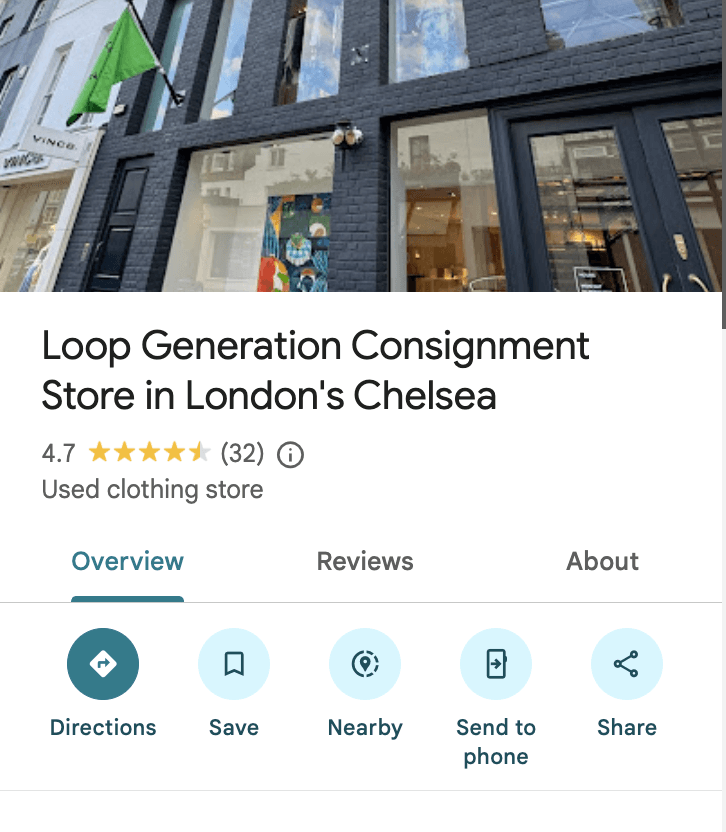
(Source: Google Maps is your first impression, so good ratings are essential)
Gaining experience first
Working in retail—and ideally in a thrift store—before starting your own shop can be very helpful. You’ll learn what it’s like to interact with customers all day, figure out peak sales times, and understand what types of items sell best. Many successful shop owners started this way. If you’re honest about your ambitions to open your own store, some retailers might even support you—after all, curiosity and drive are great traits in an employee.
Checklist for tools and hardware that many shops use:
Simple clothing racks, e.g. Ikea Mulig for $10
Sound system, e.g. Sonos is very popular as it's easy to setup and affordable
Label printer, e.g. Zebra ZD421, Phomemo (Affordable) or Brother QL-1110NWBc (AirPrint)
Labels, most shops use 2,25 x 1,25” (57,15 x 31,75mm) or 1.57"x 2.36” (40x60mm)
Hang tags with your logo
Floor mat for winter keeping your store clean and professional
Checkout desk
Computer or an iPad (here is full software & hardware overview depending on your setup)
Inventory management for handling unique items and clients such as Circle-Hand
2. Step-by-step: starting a thrift store
Some entrepreneurs dive straight in, but you can also take smaller steps to reduce risk and build confidence.
Start small
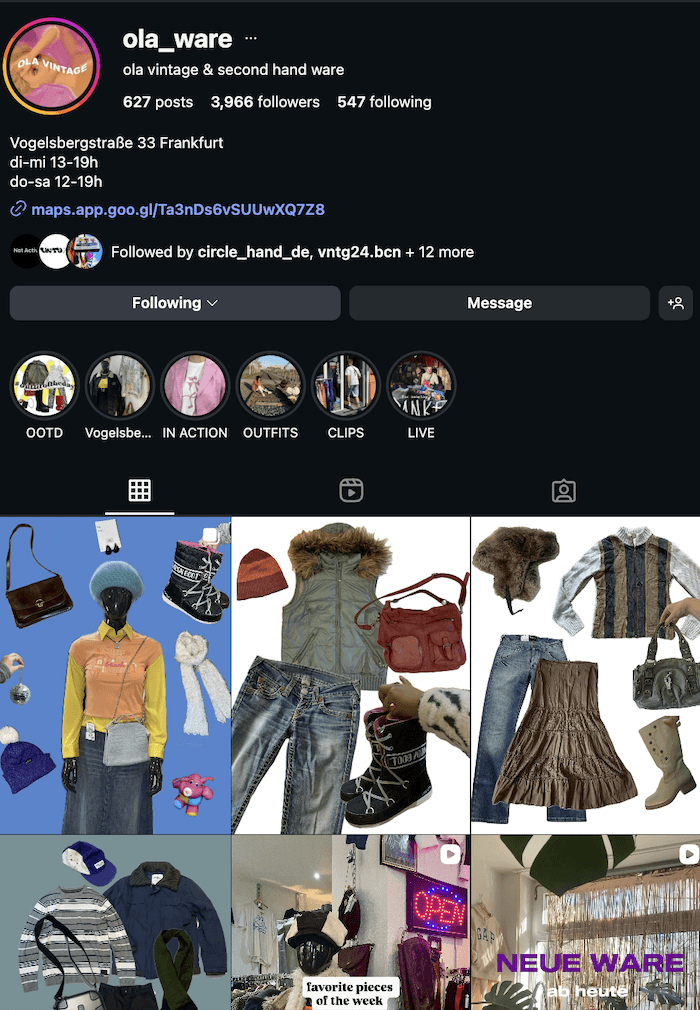
Begin by selling pre-loved clothing on platforms like eBay, Depop, ThreadUp, Vinted or Instagram. This allows you to build a brand, attract a community, and gain experience with lower financial risk. For example, the owner of Ola-Ware began by selling clothes on Instagram. By the time their physical shops opened, they already had a loyal following.
Pop-ups
Pop-up shops or temporary spaces are a great way to test the waters. Look for vacant spaces in your area—real estate agents or local authorities might offer short-term leases to fill empty storefronts. In some cases, landlords might even agree to revenue-sharing instead of a fixed rent. Events like flea markets or organizing your own clothing swaps are also great ways to start.
Consignment
With consignment, people bring you their clothes to sell, and you split the revenue. This method has minimal upfront costs and risk since you don’t need to buy inventory. Many shops successfully use this model, especially for vintage, designer and kids' clothing.
3. Sourcing inventory for your thrift shop
There are countless ways to stock your secondhand shop, and the best approach depends on your strengths and shop concept. Here are some common sourcing strategies:
From individuals
Donations: Some shops accept clothing donations. While this keeps costs low, donated items are often lower quality and harder to sell.
Consignment: As mentioned earlier, consignment allows you to share the sales profit with the original owner, keeping your risk low. Here is a consignment contract template.
Direct Purchase: You can buy clothing directly from local individuals. This requires more upfront investment but gives you greater control over inventory and pricing.
From markets and platforms
Flea Markets and Apps: Many shop owners source additional inventory from flea markets or platforms like Vinted. This works best if you’re good at spotting undervalued items.
Wholesale
Bulk Purchases: Some businesses buy bundles of secondhand clothing from wholesalers. These can range from surprise assortments to curated bundles sorted by category or brand.
International Sourcing: Some retailers travel to countries like Italy or the Netherlands to visit sorting facilities and handpick inventory.
4. Finding the right location for your thrift store
Your store’s location can significantly impact its success. A busy, high-traffic area often leads to higher sales, but a strong online presence can sometimes compensate for a less prime location. For example, vv_Berlin operates in a less visible spot but has a loyal customer base thanks to their online following.
Consider Taking Over an Existing Shop
Check whether any established shops are looking for new owners—many secondhand stores are transitioning as owners retire. This can give you a head start with an existing customer base a
5. Promoting your thrift store
Google Maps
Make sure your shop is listed on Google Maps with accurate details and appealing photos. Aim for at least 10 positive reviews to establish credibility.
Social Media
Platforms like Instagram and TikTok are popular for promoting secondhand shops. Share your daily activities, showcase new arrivals, or tell the story behind special pieces. If social media isn’t your thing, don’t worry—some shops thrive without it. But if you enjoy it, it can be a powerful tool.
Events
Organizing events can help draw people to your store. Host swap parties, repair workshops, or upcycling sessions—free drinks and good music are always a bonus!
6. Is it worth It?
There’s no one-size-fits-all answer. Some thrift stores thrive for decades, while others close within a year. Success depends on location, inventory, costs, and customer engagement. Monthly revenues of €10,000 or more are common for shops in good locations, but what matters most is what’s left after covering rent, wages, and inventory costs.
Many shop owners are motivated by their passion for sustainability and love for unique clothing, rather than just profits. However, it’s essential to set income goals to avoid burnout. Start small, stay flexible, and learn as you go—and most importantly, enjoy the journey.
Good luck! If you have questions or need help, feel free to reach out.
FAQ of opening a thrift & secondhand store
1. How do I start a consignment shop?
To start a consignment shop, define your commission splits and intake rules, create a consignor agreement and set up a POS + inventory workflow that keeps vendor attribution accurate. Many shops use Shopify POS or Square for checkout and Circle-Hand for vendor tracking and payouts.
What permits do I need to open a thrift or consignment store?
You'll need a business license, sales tax permit, in some cities a resale certificate and zoning permits for your location. Requirements vary by state and city. Once you have your permits, you need a consignment POS and software like Circle-Hand to handle sales tax collection and maintain proper records automatically.
How do I start a thrift store?
To start a thrift store, define your niche (vintage, kidswear, designer), decide how you’ll source inventory (donations, buy outright, consignment) and create a simple intake/pricing process. As volume grows, a system like Circle-Hand helps reduce manual tracking errors.
How much does it cost to open a thrift store?
Opening a thrift store costs $10,000-$50,000 depending on your location and store size. Major expenses include rent deposits, business licenses, initial inventory, store fixtures, POS system like Circle-Hand and working capital for the first few months of operations.
How do I open a thrift store with no money?
Opening a thrift store with no money usually means minimizing upfront inventory costs by using donations or a consignment model, starting small (pop-up or online-first) and keeping fixed costs low until demand is proven. Begin by selling on platforms like Depop, Vinted, or Instagram to build experience and a following. Pop-ups, flea markets, and consignment partnerships let you test your concept before committing to a full retail space.
Where do thrift stores get clothes?
Great inventory comes from individuals (donations, consignment, or direct purchases), flea markets, and resale apps. Many stores also buy wholesale bundles or handpick stock from international sorting facilities for higher-quality selections.
How to start a consignment shop or online consignment store?
Create consignor agreements with 40-60% commission splits, build an intake process and use Circle-Hand to automate vendor tracking and payouts. Circle-Hand syncs with Shopify for online sales, handles commission calculations and gives your vendors a portal to track their items and earnings.
8. How do I choose the right location for a thrift store?
High-traffic areas often lead to stronger sales, but a strong online presence can balance a less visible location. Consider taking over an existing thrift shop to benefit from an established customer base.
9. What is the best way to promote a thrift store?
Optimize your Google Maps listing with accurate info, great photos, and at least 10 positive reviews. Social media platforms like Instagram and TikTok help showcase new arrivals, while events such as swap parties or repair workshops attract local customers.
. Is opening a thrift store profitable?
Many shops in good areas reach €10,000+ in monthly revenue, but profitability depends on rent, labor, inventory, and customer engagement. Owners who stay flexible, manage costs, and genuinely enjoy sustainable fashion are more likely to succeed long term.

Btw margeregeling voor tweedehandswinkels uitgelegd - Inclusief online calculator
Support for various content types such as articles, blogs, videos, and more. Rich text editor with formatting options for enhanced.
24 August, 2024
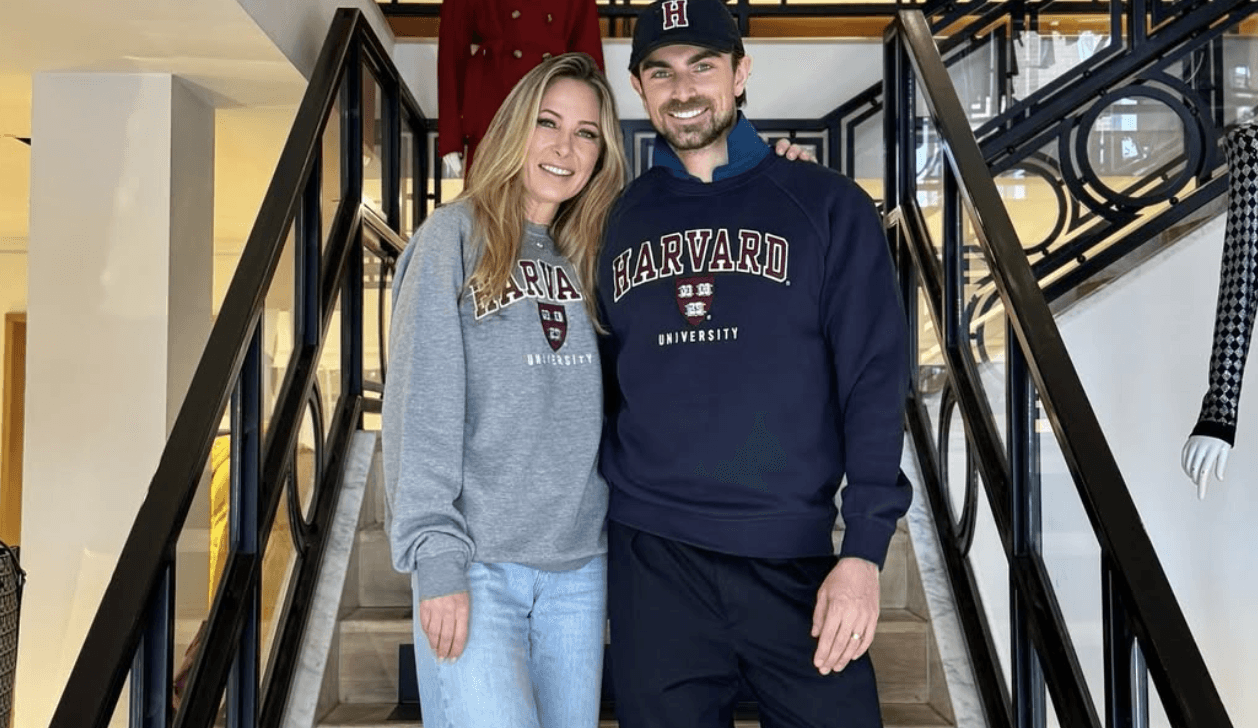
How Loop Generation handles 10,000+ pre-loved designer items with Circle-Hand
Support for various content types such as articles, blogs, videos, and more. Rich text editor with formatting options for enhanced.
18. November, 2025
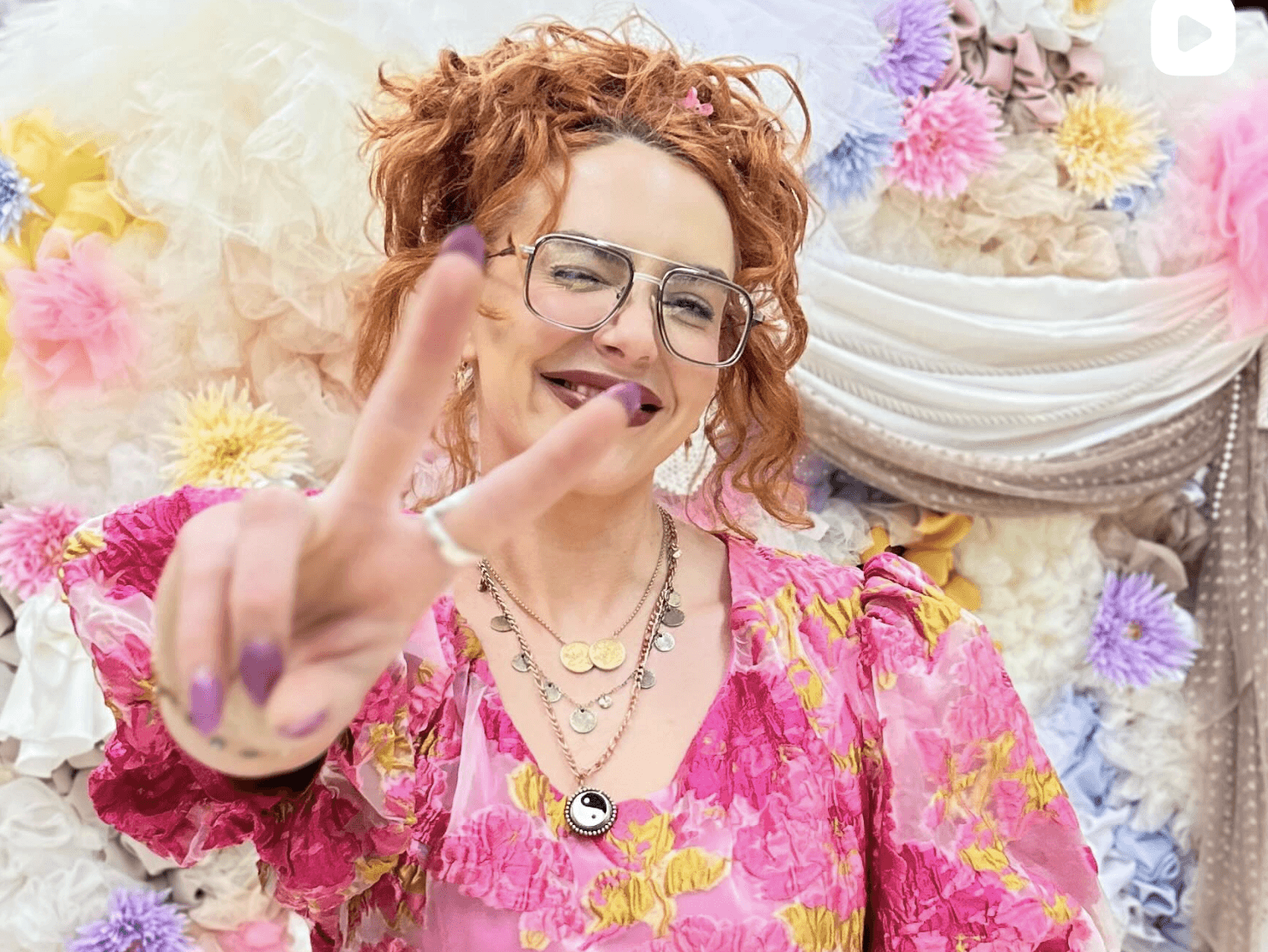
From Pop-Up to Vendor Marketplace: The Story of All Over The Shop
Support for various content types such as articles, blogs, videos, and more. Rich text editor with formatting options for enhanced.
18. November, 2025