Last updated:
16. September 2026
Written by Max Schubert

Blue Greenie is New York's first Remake Shop, based in the Port Authority South Terminal at 625 8th Ave in Manhattan.
Founded by Julie Kinkle, a longtime reseller turned upcycling designer, Blue Greenie takes donated clothing and fabric and turns it into new, one-of-one pieces made by local artists.
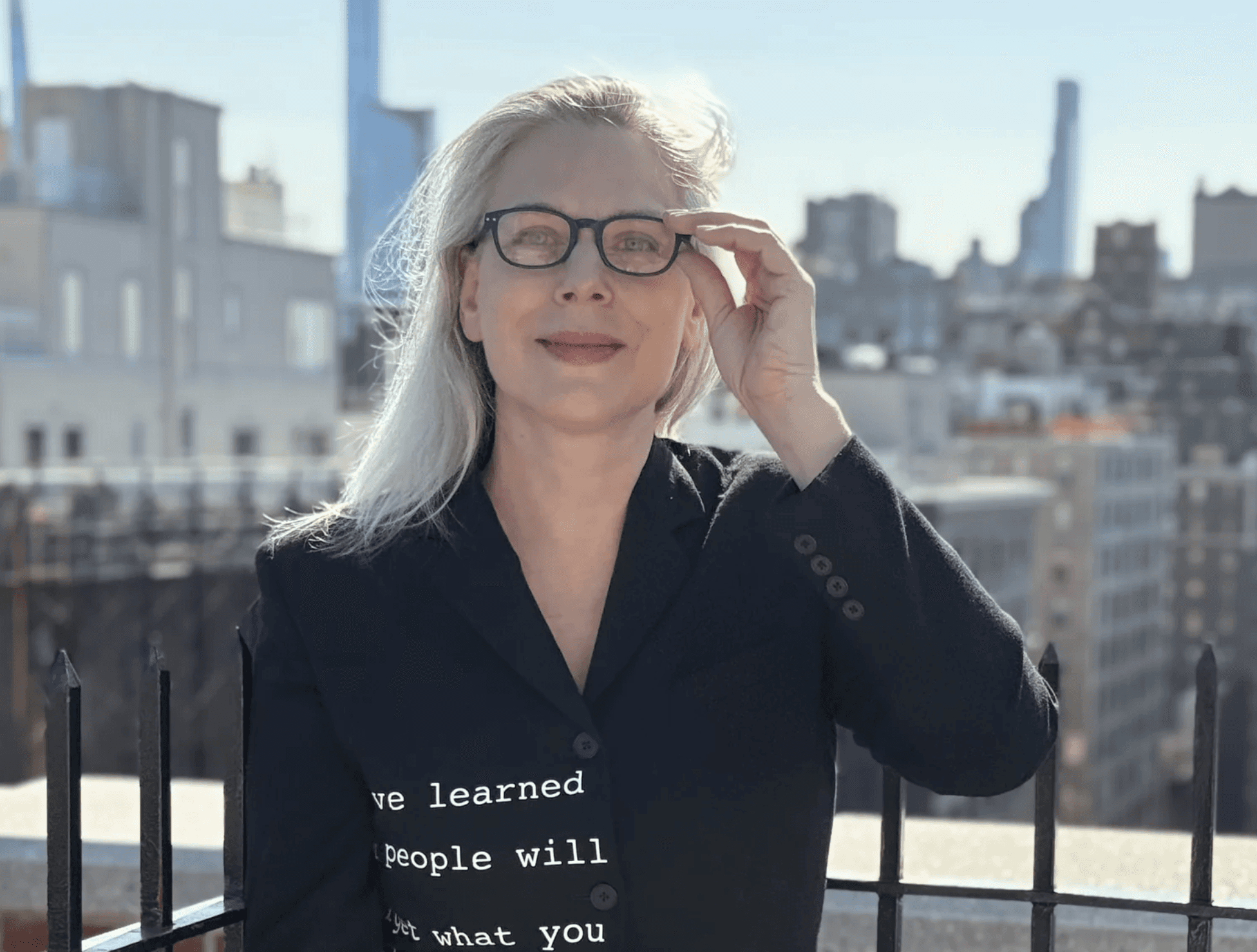
(Source: About Us Blue Greenie )
New York's first remake shop
Blue Greenie grew out of a simple idea. The things people discard still have worth and the artists who remake them deserve to be paid for it. The shop takes donated clothing, fabric, trim, buttons and jewelry, and turns it into new pieces made by artists working in the store. Donors get 10% off any item in the shop on the day they donate and can opt in to see the finished piece their donation became.
Material that isn't right for the shop goes to Wearable Collections, a textile recycler that has kept clothing out of New York City landfills for over 20 years.
Blue Greenie says it's the only shop that connects public donations directly to paid, weekly work for local artists.
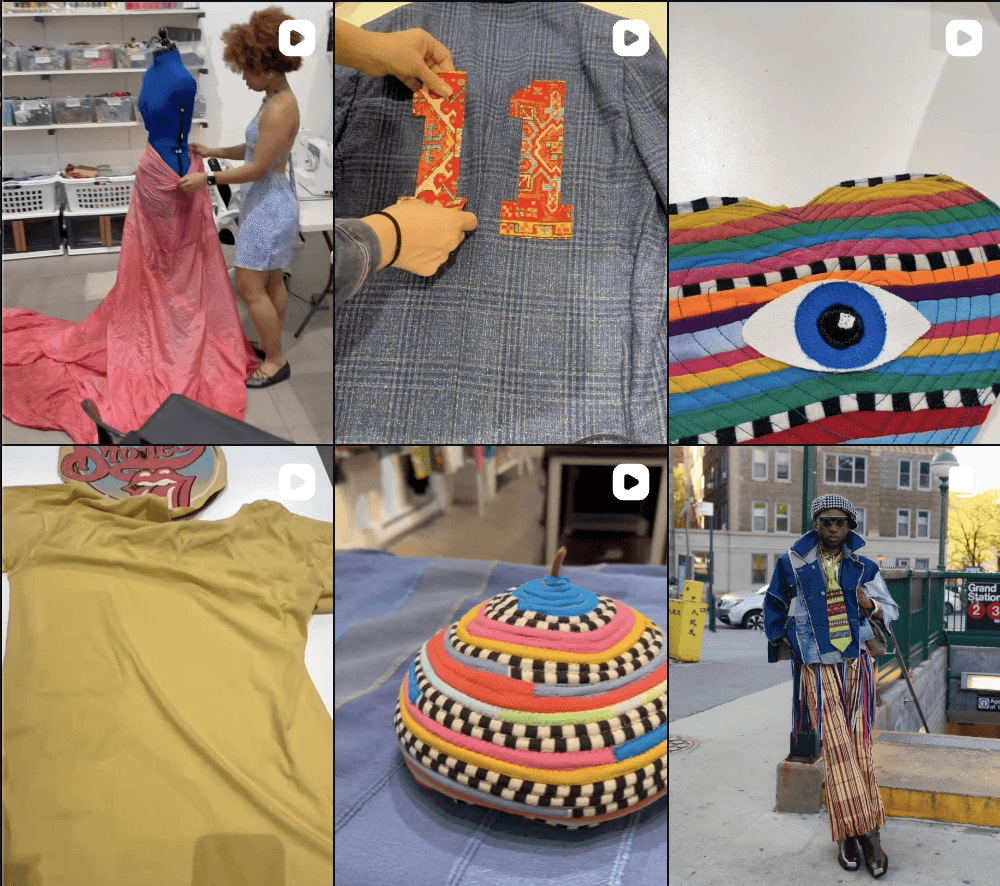
(Source: @blue_greenie Instagram)
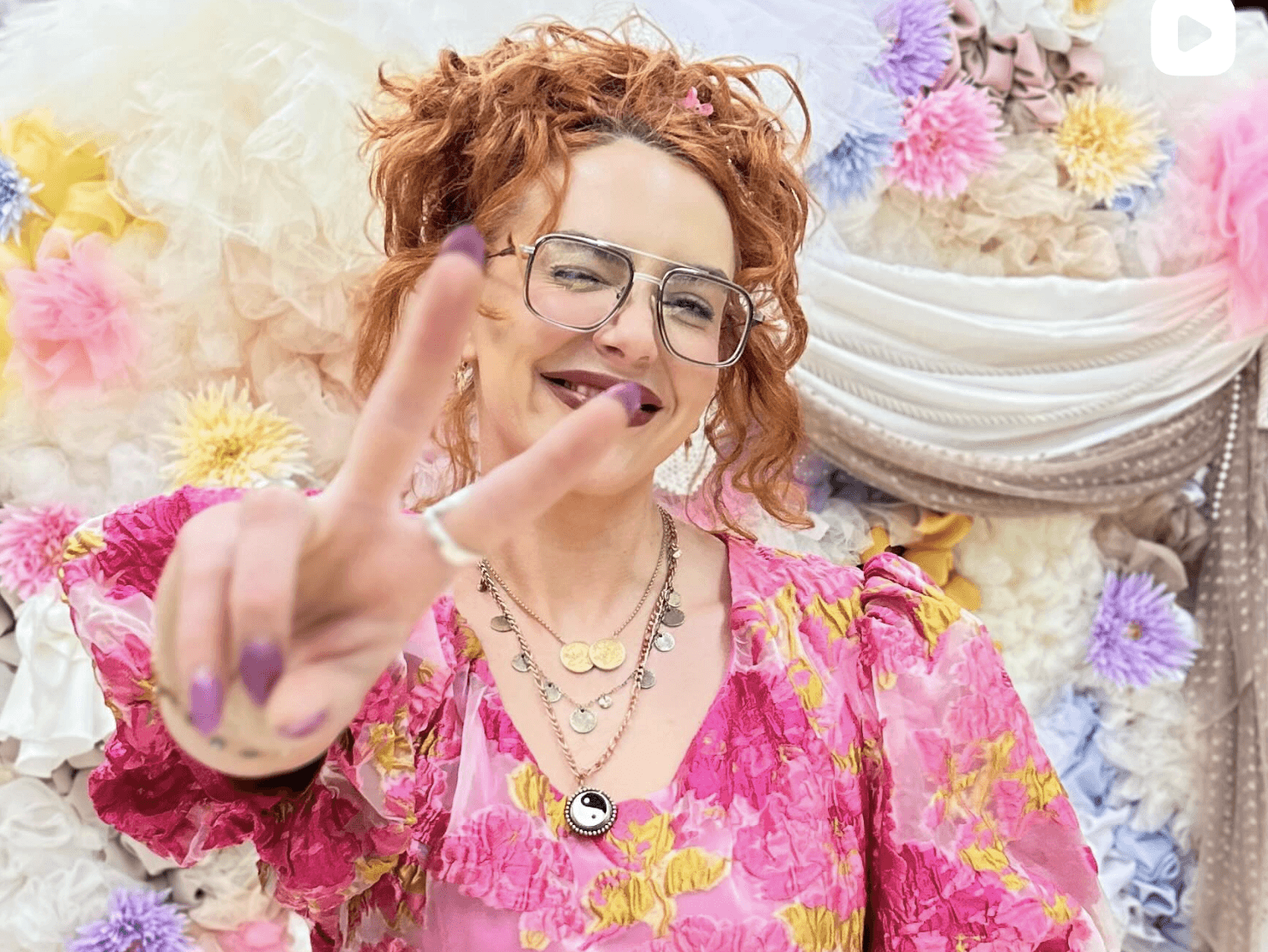
Founder Julie Kinkle, from reselling to remaking
For more than 20 years, Julie Kinkle made a living hunting and reselling thrifted treasures in New York City. When the resale market shifted, a friend asked her what she really wanted to do. She said she had always imagined working with her hands. Two weeks later, that friend showed up with a sewing machine.
What began as turning old cashmere sweaters into pillows became her calling. Julie went on to build a marketplace for one-of-a-kind fashion and became a best-selling designer. She sees upcycling as one of the most powerful things people can do, for the planet and for the artists who make a living from it. Blue Greenie Remake Shop is that belief, built into a store.
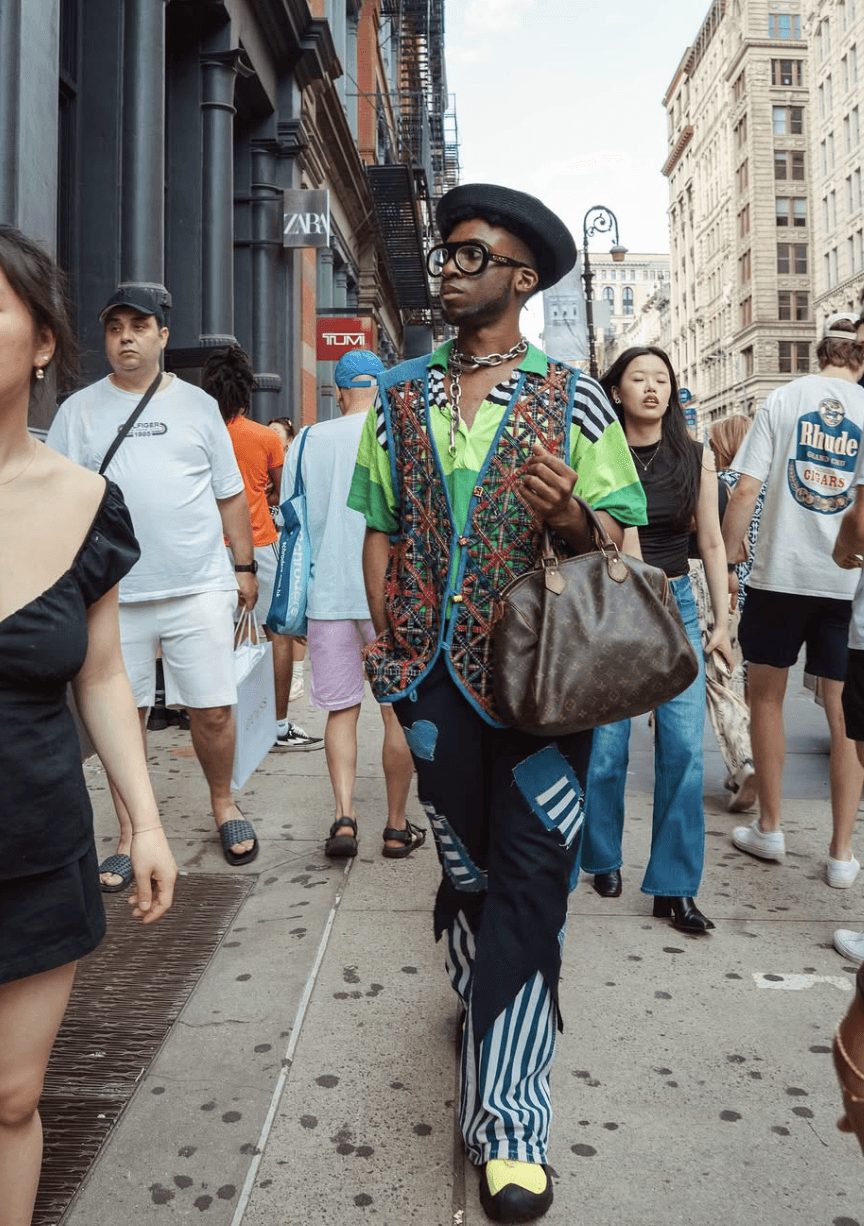
(Source: @blue_greenie Instagram)
When one shop runs on many artists at once
Blue Greenie doesn't work with artists in one way. Some create their own designs from donated materials, on-site in the shop. Some work on Blue Greenie-directed collections, using materials the shop supplies. Some submit finished pieces to sell in the boutique area without working on-site at all. Others take custom commissions through a design database, setting their own price and availability.
Each path creates its own tracking problem. Every piece is one-of-one, tied to a specific artist, a specific batch of donated material and its own payout terms. A shop running four artist programs at once, on top of walk-in donations and a public storefront, needs a way to keep all of that straight without slowing artists down.
An artist consignment portal built to keep up
Blue Greenie's artists work through Circle-Hand's client portal. It's where they log in, list what they make and track what sells and what they're owed under each program's terms.
Artists use Circle-Hand's AI tools inside the portal to list pieces fast. In two months, Blue Greenie's artists created 1,400 items through the portal.
Shopify still runs the customer side of the business, online and in the store through Shopify POS. Circle-Hand runs what customers don't see: artist accounts, payout terms tied to each program and inventory linked back to the donation and the maker behind it.
Blue Greenie's story shows what happens when a shop built on donated materials and paid artists has infrastructure that matches the pace of the work: 1,400 new pieces in two months, each one tracked back to the person who made it.

Btw margeregeling voor tweedehandswinkels uitgelegd - Inclusief online calculator
Support for various content types such as articles, blogs, videos, and more. Rich text editor with formatting options for enhanced.
24 August, 2024

How Loop Generation handles 10,000+ pre-loved designer items with Circle-Hand
Support for various content types such as articles, blogs, videos, and more. Rich text editor with formatting options for enhanced.
18. November, 2025
From Pop-Up to Vendor Marketplace: The Story of All Over The Shop
Support for various content types such as articles, blogs, videos, and more. Rich text editor with formatting options for enhanced.
18. November, 2025